Whether you are undertaking a home renovation, managing a construction site, or organizing a large-scale event, choosing the right dumpster is crucial. It ensures efficient waste management, cost-effectiveness, and environmental responsibility. With a variety of sizes and types available, finding the perfect dumpster for your project can be a formidable task, but with the right approach, it becomes manageable and rewarding. Many people underestimate how often projects require dumpsters to keep the workflow clean and organized.
Selecting the Proper Dumpster Size
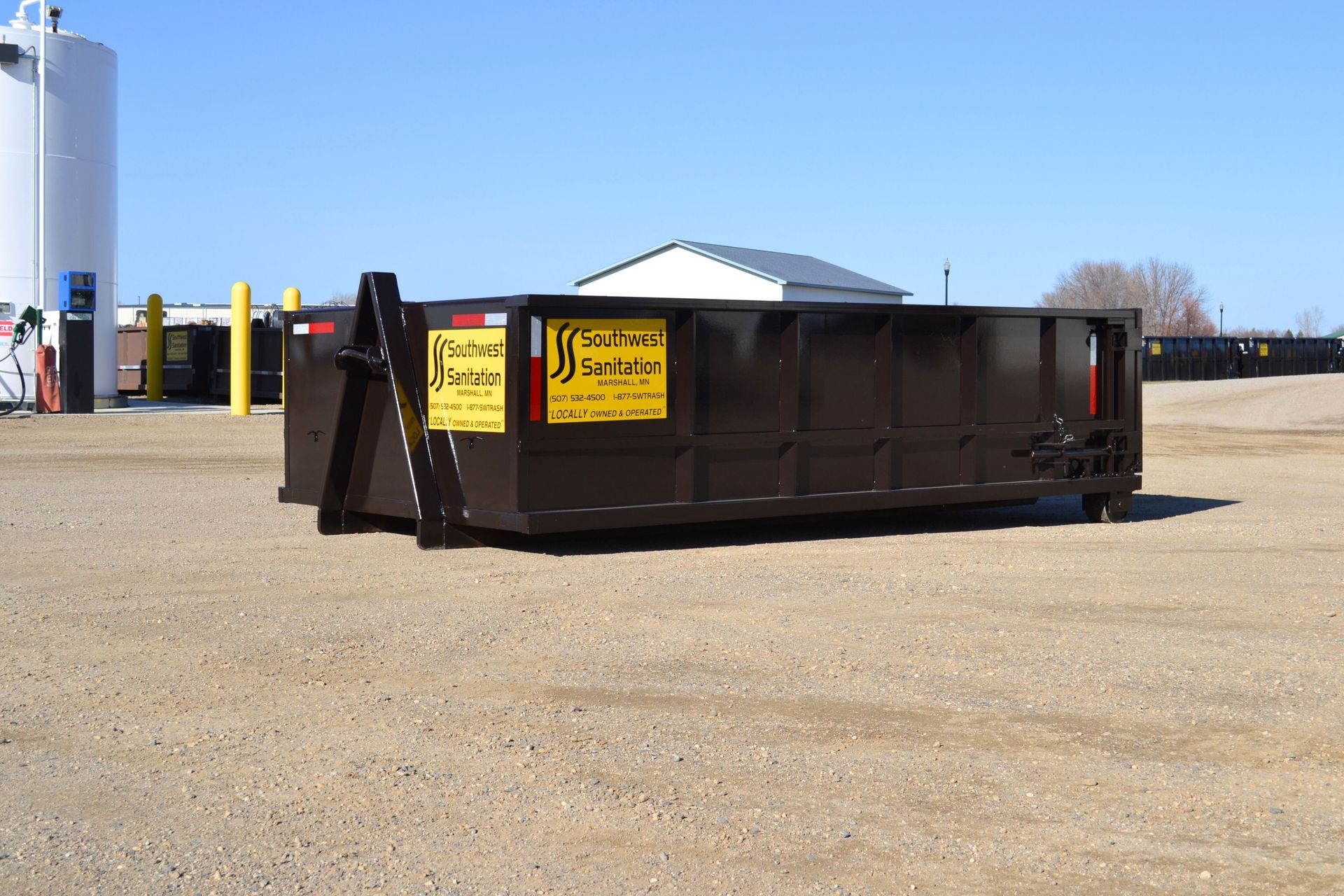
The first step in selecting the right dumpster size is to evaluate the scope of your project and the type of waste it will generate. Residential projects like small home cleanouts or landscaping might only require a 12-yard dumpster. In comparison, larger construction projects may necessitate 25-yard to 30-yard dumpsters. Considering that, according to Environment America, over 60% of U.S. municipal waste is landfilled or incinerated, choosing a dumpster that fits your needs can significantly impact landfill usage and reduce unnecessary environmental strain.
Considering Waste Types
After determining the necessary size, consider the types of waste you will dispose of. Different projects produce different waste materials, such as recyclables, toxic materials, or organic waste. Some dumpsters are designed to handle specific materials, so selecting one that aligns with your waste types enhances compliance with local regulations and promotes recycling efforts. Ensuring you are disposing of waste responsibly is not only ethical but also helps to minimize harmful effects on the environment, further conserving resources and reducing pollution.
Assessing Location and Accessibility
Location and accessibility also play critical roles in choosing the right dumpster. Consider the space where the dumpster will be placed and ensure it's easily accessible for waste disposal and collection. Restricted areas might require smaller dumpsters, while spacious sites can accommodate larger units. Additionally, check local regulations regarding placement and permissions to avoid fines and logistical challenges. Taking these considerations into account ensures that waste management during your project proceeds with minimal disruptions, especially when dumpsters must be moved or replaced during ongoing work.
Selecting the right dumpster involves understanding your project’s scale, the types of waste being produced, and logistical considerations such as space and regulations. By aligning these factors, you not only facilitate efficient waste management but also contribute positively to environmental conservation efforts. Remember, making an informed decision not only serves your project’s needs but also conserves resources and supports sustainable practices in waste management.
Choosing the correct
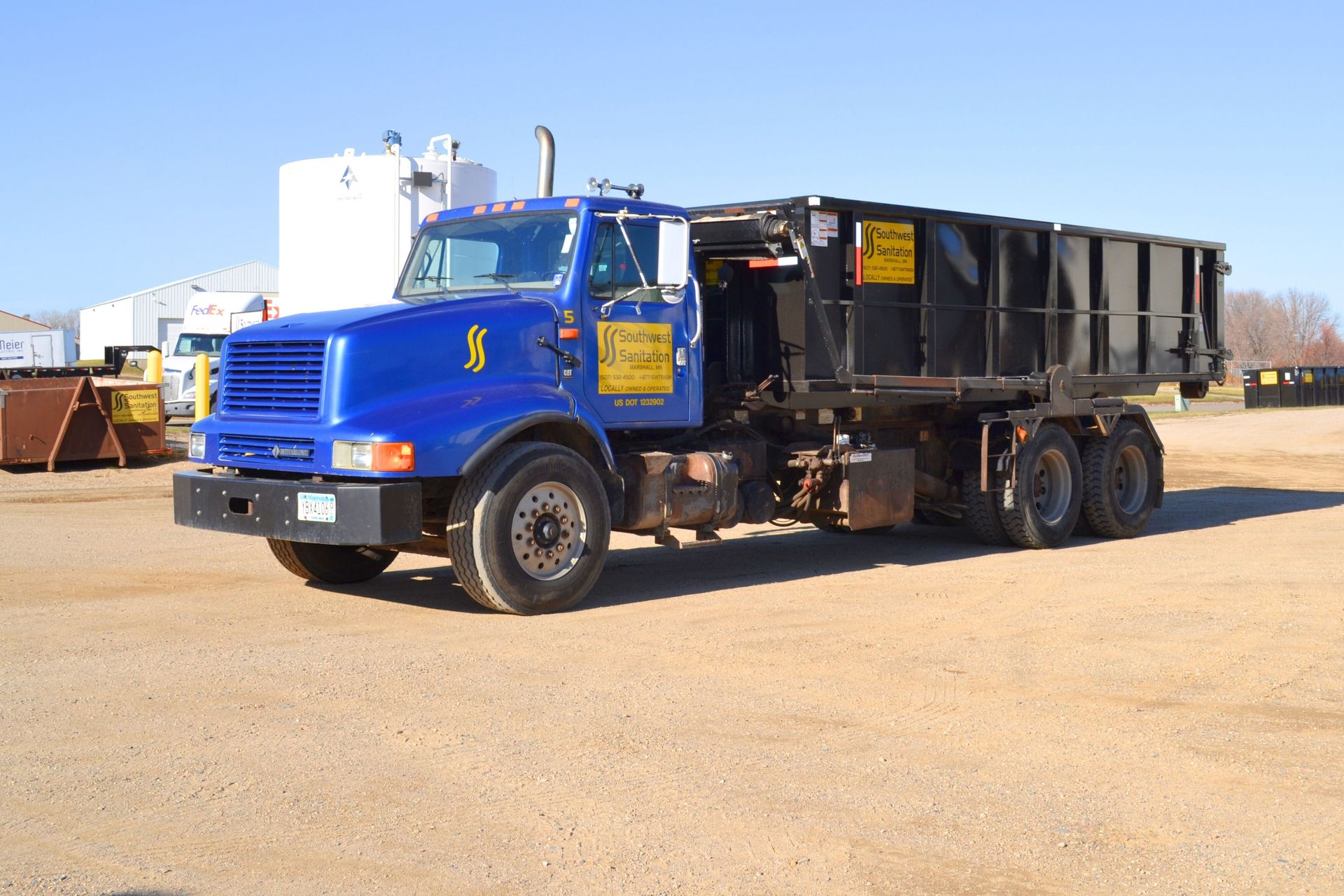
dumpsters ultimately streamlines your project and keeps your site operating efficiently. Call Southwest Sanitation today to learn more.