November 11, 2026
Portable restrooms are essential for construction projects, outdoor celebrations, community events, and properties without convenient access to permanent facilities. Although customers often focus on pricing, availability, and cleanliness, the company behind the equipment can also influence their rental experience. Many portable sanitation providers are smaller, family-operated businesses that serve customers within specific communities. These companies may offer direct communication, familiarity with local conditions, and personalized attention throughout the rental process. Understanding how family ownership influences the portable sanitation industry can help customers make informed decisions when arranging a porta potty rental. From coordinating deliveries to maintaining equipment, several characteristics of family businesses can contribute to dependable service and lasting customer relationships.
1. Understanding the Prevalence of Family Ownership
Family businesses play a significant role in the portable sanitation industry. Rather than operating exclusively through large national corporations, many providers serve defined geographic areas and maintain relatively small teams. According to WifiTalents, approximately 80% of portable restroom providers are small businesses owned and operated by families. This statistic highlights how frequently customers may encounter family-operated providers when searching for sanitation equipment. While ownership structures vary, smaller businesses often build their operations around relationships with local contractors, event organizers, property managers, and other recurring customers.
Family ownership can influence how responsibilities are distributed within a company. Relatives may participate in scheduling, customer service, equipment maintenance, deliveries, and administrative work. Some businesses operate across multiple generations, allowing practical knowledge and established procedures to develop over time. This continuity can support consistent service practices and a deeper understanding of customer expectations. Familiarity with daily operations also allows family members to remain closely involved in maintaining equipment, coordinating schedules, and addressing service needs.
2. Building Stronger Relationships With Local Customers
Smaller sanitation providers often depend on relationships within their service communities. Contractors may need portable facilities at several job sites throughout the year, while event organizers may return for annual festivals or celebrations. These repeat customers benefit from working with a provider that understands their typical requirements. A family-operated company may recognize recurring scheduling preferences, equipment needs, and delivery considerations. Familiarity can simplify future arrangements and reduce the amount of information customers must explain whenever they request service.
When arranging a porta potty rental, customers may appreciate having consistent points of contact who understand their project. Direct communication can be especially helpful when event details change, or construction schedules shift unexpectedly. Smaller businesses may be able to coordinate requests without transferring customers between multiple departments, allowing for more direct conversations about scheduling and service needs. Developing a working relationship also encourages clear discussions about expectations, maintenance schedules, and service concerns. These connections can make recurring sanitation arrangements more organized and predictable.
3. Providing Personalized Attention During Rental Planning
Portable sanitation requirements differ considerably between projects. A weekend gathering has different needs from a construction site operating for several months. The number of users, event duration, accessibility considerations, and available space can all influence equipment selection. Family-operated providers may emphasize conversations that help customers understand these details before confirming an order. Rather than selecting equipment based solely on a general estimate, customers can discuss the intended use and identify practical considerations that affect their rental arrangements.
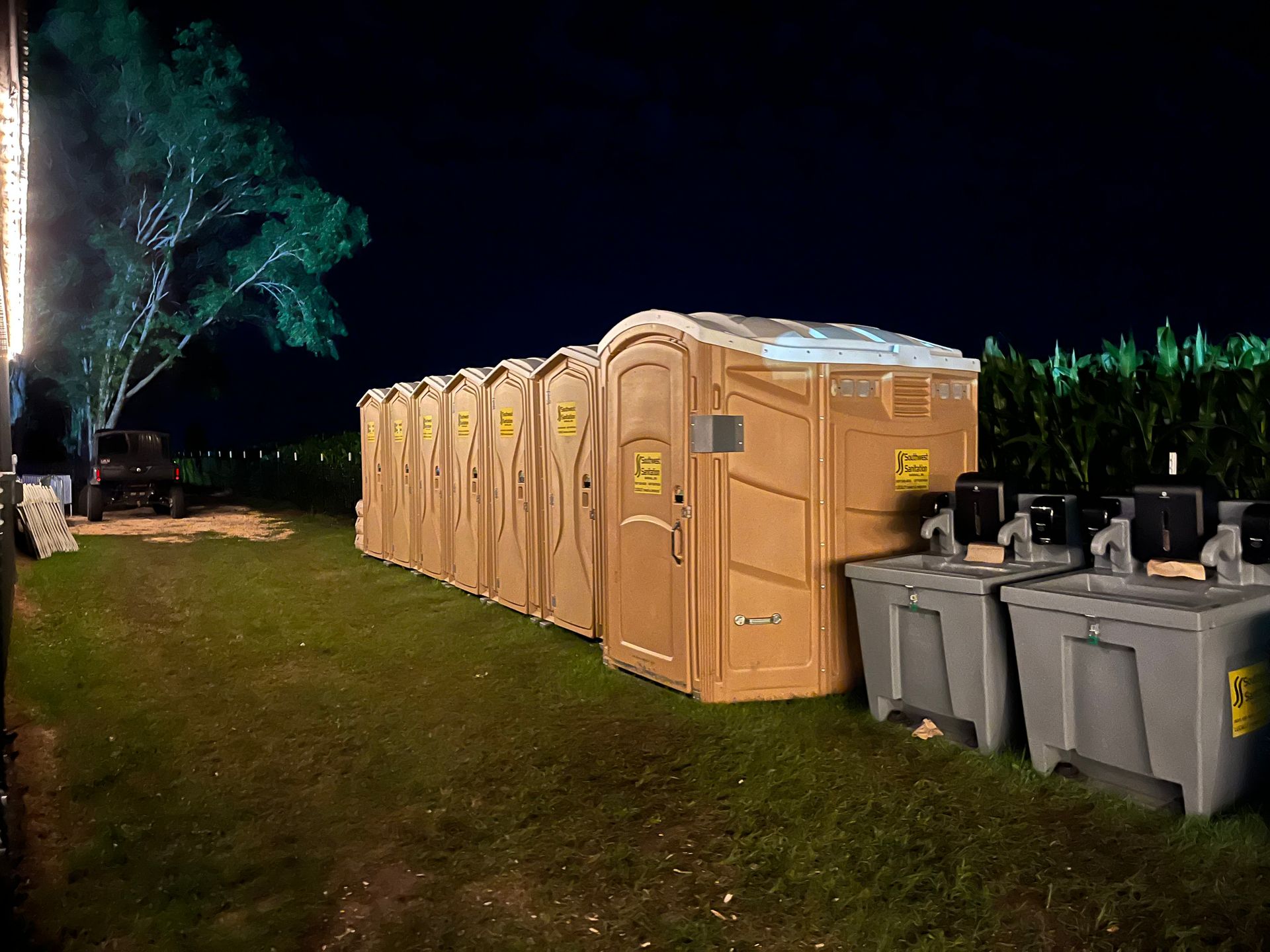
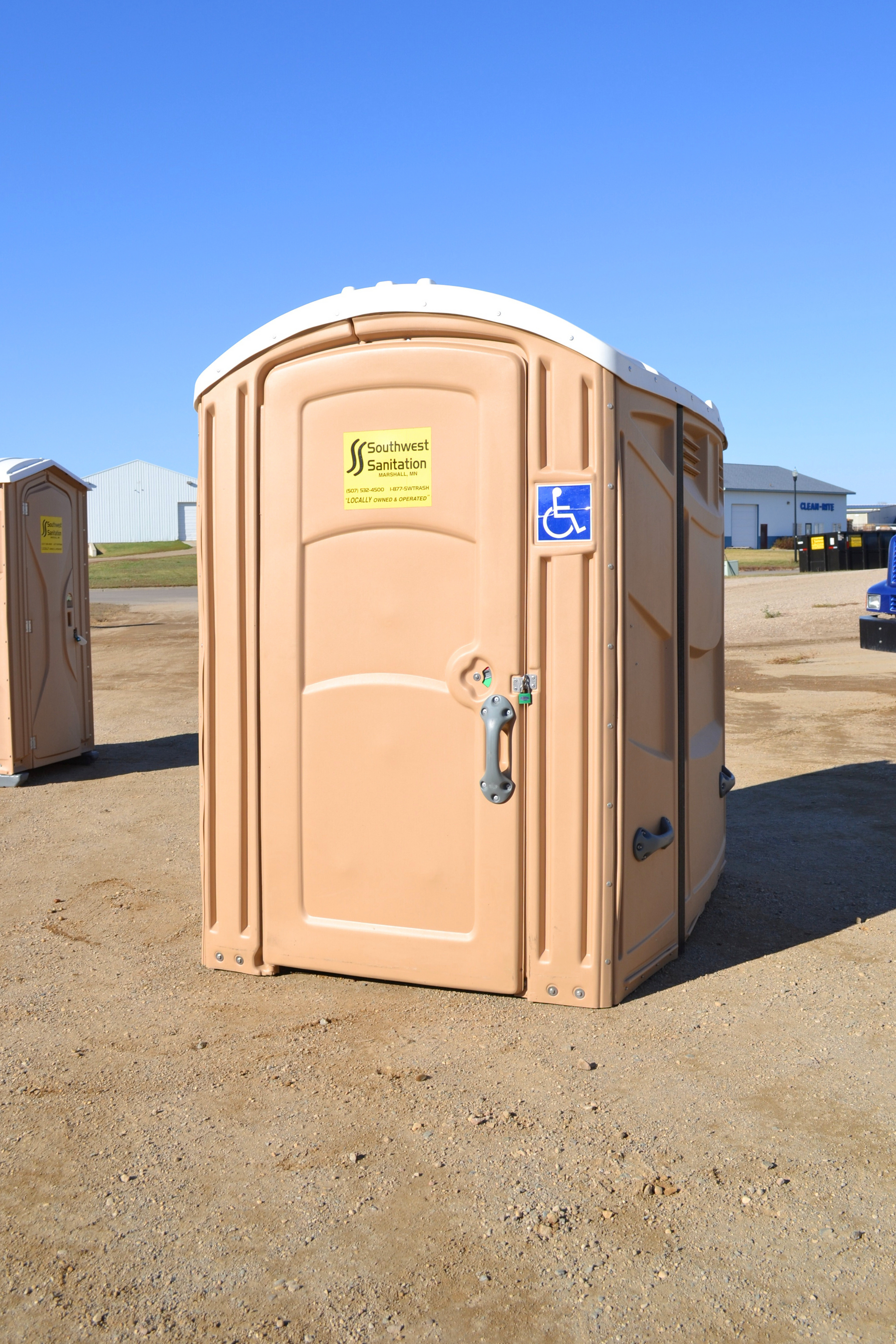
Personalized planning is particularly valuable when customers are unfamiliar with portable restroom options. A provider can explain standard units, accessible facilities, handwashing stations, and other available equipment. Customers should also ask about placement requirements, delivery access, and expected servicing frequency. A knowledgeable representative can help clarify which arrangements are appropriate for the property's conditions. Taking time to discuss these questions before delivery may prevent misunderstandings and help customers prepare a suitable location for the equipment.
4. Maintaining Accountability Through Direct Communication
Clear communication is important when coordinating equipment that must arrive before workers or guests need it. Customers should understand the expected delivery window, rental period, servicing arrangements, and procedures for requesting assistance. Smaller businesses sometimes maintain relatively direct communication between office personnel and field crews. This structure may help employees share information about scheduling changes or site-specific instructions. Close involvement in daily operations can also help family-operated providers maintain consistent communication and respond to customer needs.
During a porta potty rental, unexpected circumstances can require adjustments. An event may attract more attendees than anticipated, or construction activity may temporarily block access to a servicing location. Customers benefit when providers explain how to report these situations and what options may be available. Written agreements, confirmed contact information, and clear service expectations help both parties remain organized. Family-operated companies that prioritize accountability can use these practices to maintain customer confidence and address concerns before they become more disruptive.
5. Supporting Consistent Cleaning and Equipment Maintenance
Cleanliness is one of the most important considerations when selecting a portable sanitation provider. Restrooms must be delivered in suitable condition and serviced according to their usage and rental arrangements. Maintenance may involve waste removal, cleaning interior surfaces, replenishing supplies, and checking equipment for damage. A smaller company may rely on established employees who become familiar with recurring service routes and customer locations. This familiarity can support efficient scheduling and help employees recognize the specific maintenance needs of different rental locations.
Customers should ask how frequently their units will be serviced and whether additional visits can be arranged when necessary. A porta potty rental for a busy construction site may require different attention from equipment serving a short outdoor gathering. Weather conditions, user volume, and the length of the rental can also affect maintenance needs. Responsible providers should communicate service expectations and explain how customers can report sanitation concerns. Consistent upkeep helps maintain usable facilities and supports a more comfortable experience for everyone.
6. Navigating Local Delivery and Placement Challenges
Portable restroom delivery involves more than transporting equipment to an address. Drivers must consider road access, available unloading space, ground conditions, and the location where units will remain throughout the rental period. Local providers may have experience navigating regional construction areas, event venues, and seasonal weather conditions. Familiarity with nearby communities can help teams anticipate certain logistical challenges and coordinate deliveries more efficiently. Customers can support this process by providing accurate site information and identifying potential obstacles before equipment arrives.
A family-operated sanitation company may work closely with customers to coordinate practical placement decisions. Restrooms should be accessible to intended users while allowing service vehicles to reach them safely. Uneven terrain, narrow entrances, soft ground, and nearby structures can complicate installation or maintenance. Customers should discuss these conditions during scheduling and avoid assuming that equipment can be placed anywhere on a property. Careful coordination helps reduce delivery complications and supports reliable servicing throughout the rental period.
7. Recognizing the Value of Long-Term Business Relationships
Family-operated companies often have strong incentives to maintain their reputations within the communities they serve. Customer recommendations, repeat contracts, and established professional relationships can contribute to ongoing business. Contractors and event organizers may prefer providers whose procedures they understand and whose service has met their expectations. This continuity can be valuable when sanitation equipment is needed regularly. A dependable relationship may simplify scheduling discussions and help customers plan future projects with greater confidence.
When choosing a porta potty rental provider, customers should consider the benefits of local relationships alongside practical service details. Request clear information about pricing, equipment availability, cleaning schedules, delivery arrangements, and rental terms. Reviews and recommendations may offer additional perspective, while direct conversations can help clarify expectations. Family-owned businesses often develop lasting customer relationships through consistent communication and familiarity with recurring service needs. These qualities can make coordinating future rentals easier and more convenient.
Family-operated businesses represent a substantial portion of the portable sanitation industry, making them a common option for customers planning events, construction projects, and other activities. Their potential strengths include local familiarity, personalized communication, established customer relationships, and coordinated service. Attention to equipment quality, maintenance procedures, scheduling, and clear rental agreements also contributes to a positive customer experience. Understanding these considerations can help customers approach their next porta potty rental with realistic expectations and greater confidence. For assistance arranging portable restroom services for your upcoming project or event, contact Southwest Sanitation Inc today.